September 26, 2026 · By Playy
Why Padel Builds Better Friendships Than Networking Events
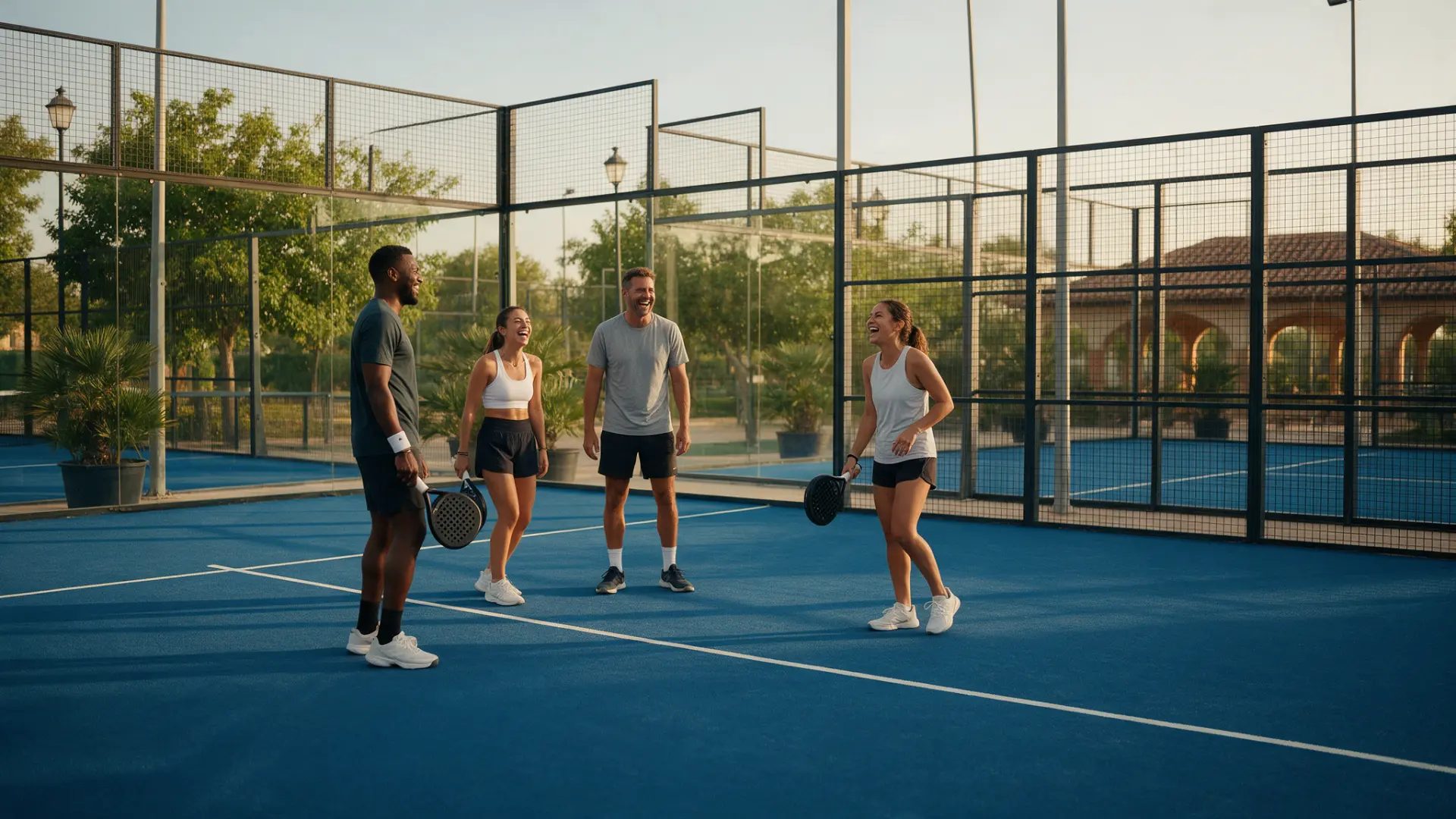
Playy is a Dubai padel app where players discover skill-matched opponents, challenge them to games, chat, and join community events to build a consistent playing network. The sport is governed globally by the International Padel Federation. Dubai runs on networking. Brunches, roundtables, industry mixers, rooftop happy hours — the city has an event for every professional category and a LinkedIn connection for every handshake. And yet ask most Dubai residents to name their five closest friends in the city and almost none of them will mention someone they met at a networking event. They will mention someone they play padel with.
This is not a coincidence. Here is exactly why padel builds better friendships than networking — and why the difference matters more in Dubai than almost anywhere else.
Read our guide on how expats make friends through sport in Dubai.
What Networking Events Actually Produce
The networking event model is built on a flawed premise: that proximity plus conversation equals connection. Put two hundred professionals in a room, give them name badges and drinks, and meaningful relationships will form. The premise fails in practice for reasons that are structural rather than personal.
The context is transactional from the first moment. Everyone in the room knows everyone else is there to get something — a client, a referral, a job lead, a contact. This awareness creates a performance layer that sits between every interaction and genuine connection. You are not meeting a person. You are meeting a professional presenting themselves to a room of other professionals presenting themselves.
The conversation has no shared reference point beyond the event itself. You discuss what you do, where you are from, who you know in common. These are social coordinates, not shared experiences. The research on friendship formation consistently shows that shared experiences — particularly ones involving challenge, emotion, and achievement — are the primary mechanism through which adults form real bonds. A conversation over canapes produces none of these.
The follow-up is the weakest link. After a networking event you have a LinkedIn connection and a business card. The next interaction requires one of you to manufacture a reason to reach out — a coffee meeting request, a follow-up email, an article you thought they might find interesting. Most of these manufactured follow-ups never happen. The ones that do are awkward. The friendship rarely develops.
What Padel Actually Produces
A 90-minute padel session produces the opposite of everything a networking event fails to deliver. The context is genuinely shared — you are both doing the same thing, experiencing the same challenges, feeling the same emotions. The conversation happens naturally between points and during changeovers rather than being manufactured from nothing. And crucially, you have a built-in reason to meet again next week because you both enjoy playing and you have already established compatibility.
The emotional content of a padel session is also qualitatively different from a networking event. You experience genuine highs — a great shot under pressure, winning a close game, your partner making a play that saves a point — and genuine frustrations together. These shared emotional experiences, even at the level of a casual recreational padel session, create the neurological and psychological conditions for genuine attachment that no amount of professional conversation can replicate.
By the end of your first session with someone you have not met before, you know something real about them. How they handle pressure. How they react to errors — theirs and yours. Whether they encourage their partner or go quiet when things are going badly. Whether they celebrate good shots from opponents as well as their own. These are character signals that a networking event conversation of equivalent length will never surface.
The Science of Why Sport Creates Deeper Bonds
The friendship-through-sport dynamic is not just anecdotal — it is well-supported by research in social psychology and neuroscience. Several specific mechanisms explain why sport produces deeper connections than conversation-based social settings.
Synchronised movement creates social bonding. Research published in the Journal of Experimental Psychology found that people who engage in synchronised movement together — including coordinated sporting activity — subsequently rate each other as more likeable, feel more connected, and are more likely to cooperate in subsequent interactions. Padel, where you and your partner move together as a unit throughout the session, produces sustained synchronised movement that strengthens social bonds continuously across 90 minutes.
Shared physical challenge activates trust pathways. Multiple studies have found that people who face a physical challenge together — even a relatively mild one — subsequently show higher levels of mutual trust than people who spent the equivalent time in conversation. The physiological arousal of competitive sport activates the same neurological systems involved in trust formation, producing a shortcut to the kind of mutual regard that normally takes much longer to develop.
The oxytocin effect of sport compounds over repeated sessions. Oxytocin — sometimes called the bonding hormone — is released during physical activity and social interaction simultaneously. Padel combines both. Players who meet through padel and play together regularly are experiencing repeated oxytocin-producing interactions that accumulate into genuine attachment in ways that intermittent social events cannot replicate.
Read our guide on how padel improves your mental health — the social dimension is a core part of it.

The Specific Things Padel Does That Networking Cannot
Padel gives you an automatic reason to meet again. After a good networking event conversation you have to manufacture a follow-up. After a good padel session the follow-up writes itself — same time next week? That single structural difference is responsible for more sustained friendships than any amount of social skill or conversational ability.
Padel reveals character under pressure. You cannot fake being a good person in a padel session the way you can in a conversation. How someone behaves when they miss a crucial shot at 5-5 in the third set tells you more about them than an hour of professional small talk ever could. Players who are generous, positive, and encouraging under pressure are the same in real life. Players who get quietly hostile when losing are worth knowing about before you invest more time in the relationship.
Padel creates recurring contact automatically. The most consistent finding in friendship research is that repeated low-stakes contact — seeing the same person regularly in a comfortable, familiar setting — is the primary driver of friendship formation in adults. Networking events are rare and high-stakes. Padel sessions are regular and low-stakes. The frequency of contact that padel creates is the mechanism through which acquaintances become genuine friends.
Padel makes you genuinely need each other. You cannot play padel without a partner. The mutual dependency of doubles play creates a dynamic where each person's investment in the relationship is practical as well as social. You show up for each other not just because you like each other but because the game requires it. That practical interdependence is one of the strongest friendship formation mechanisms available to adults.
Why Dubai Makes This Even More True
The friendship-through-sport dynamic operates everywhere but it is amplified in Dubai by the specific characteristics of the city's social environment. Dubai is a city of strangers who arrived recently, who have not grown up together, who lack the school ties and hometown histories that provide the social infrastructure of friendship in more established cities.
In this environment the barriers to conversation-based friendship are higher than usual — everyone is cautious about investing social energy in people who may leave in six months, everyone is still figuring out who their people are, everyone is aware that the city's social fabric is transient in a way that makes deep investment feel risky.
Sport bypasses all of this. When you play padel with someone twice a week for three months you have spent approximately 18 hours in genuine shared activity with them regardless of how socially cautious either of you started. That accumulated shared experience is the foundation of friendship regardless of where it happens — but in Dubai, where conversation-based connection faces so many friction points, sport provides a way around all of them.
The players who build the strongest social networks in Dubai are overwhelmingly the ones who found a sport community early and showed up consistently. Padel's rise in the city has been backed by citywide investment in community sport, including the work of the Dubai Sports Council. The padel court is where Dubai friendships actually form, not the networking event.
The Friendship That Starts on the Court
The pattern is recognisable to anyone who has experienced it. You meet someone at an Americano session. You play a few sets together, win some, lose some. You exchange numbers to coordinate the next session. You play together three or four times and gradually the conversation extends beyond padel — work, life in Dubai, where you are from, what you are trying to build here. By the time three months have passed you are not just padel partners. You are friends. Real ones.
This is how it happens for most people who have built genuine social lives in Dubai through sport. Not through a memorable conversation at a rooftop event, not through a LinkedIn introduction, not through a mutual friend's dinner party. On a padel court, over repeated sessions, through the accumulated shared experience of playing together.
The networking event got you a contact. The padel session got you a friend. That difference is worth understanding.
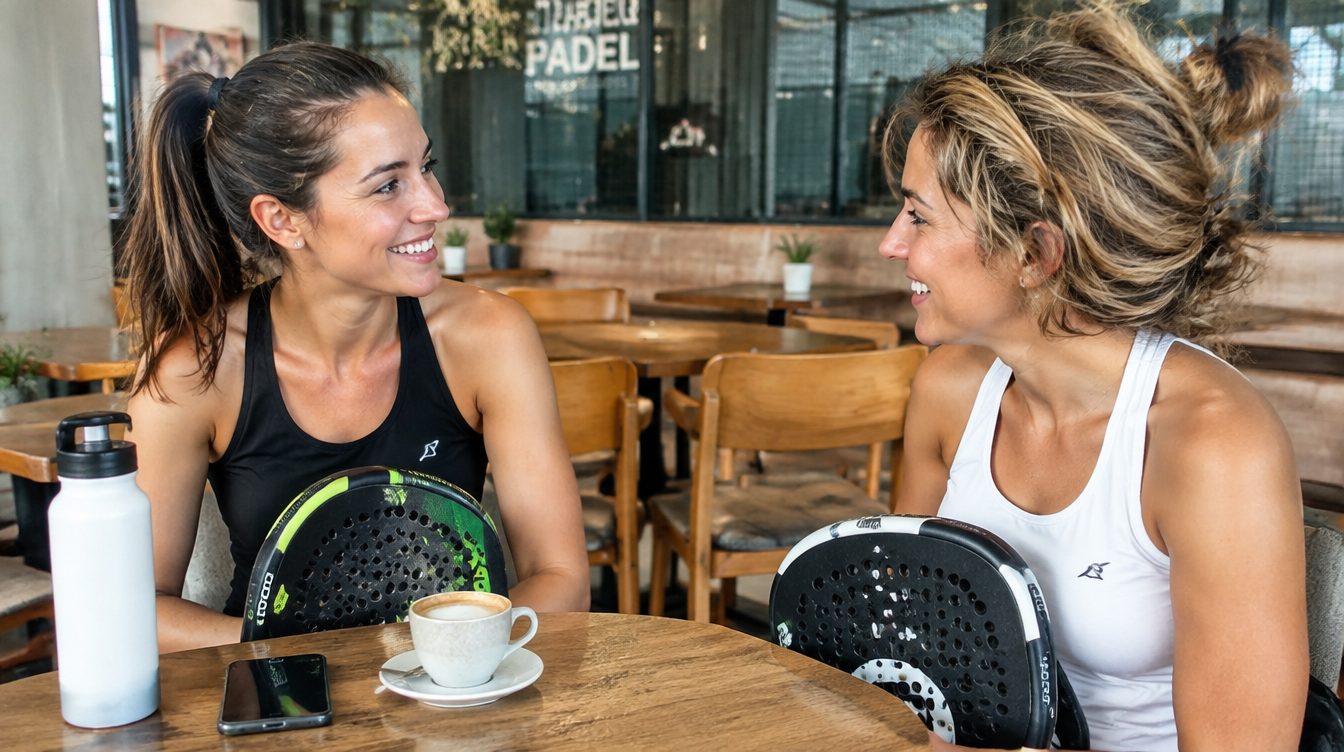
Read our broader guide on how to meet people through sports in Dubai.
Read our guide on how to find a padel partner in Dubai.
Find Your People on Playy
Playy is a Dubai padel app where players discover skill-matched opponents, challenge them to games, chat, and join community events to build a consistent playing network. The friendships that padel builds require the right starting point — finding players at your level whose schedules align with yours and who are genuinely looking for a consistent playing partner rather than a one-off game. Playy removes the friction of finding that person.
Set your sport, your skill level, and your availability. Find players near you who are looking for exactly what you are. Show up, play, and let the rest happen the way it always does on a padel court. The app is free to download on iOS or Android.
The Bottom Line
Networking events produce contacts. Padel produces friends. The difference is not about the quality of the people in either setting — it is about the structural conditions that each creates for genuine human connection. Shared physical challenge, synchronised movement, recurring contact, mutual dependency, and character revealed under pressure are the conditions that build real friendships. Padel creates all of them. A networking event creates none.
If you have been attending events in Dubai hoping to build a real social life and finding that the connections never quite stick, this is not a personal failure. It is a structural problem with the method. The solution is on the court, not in the conference room.